
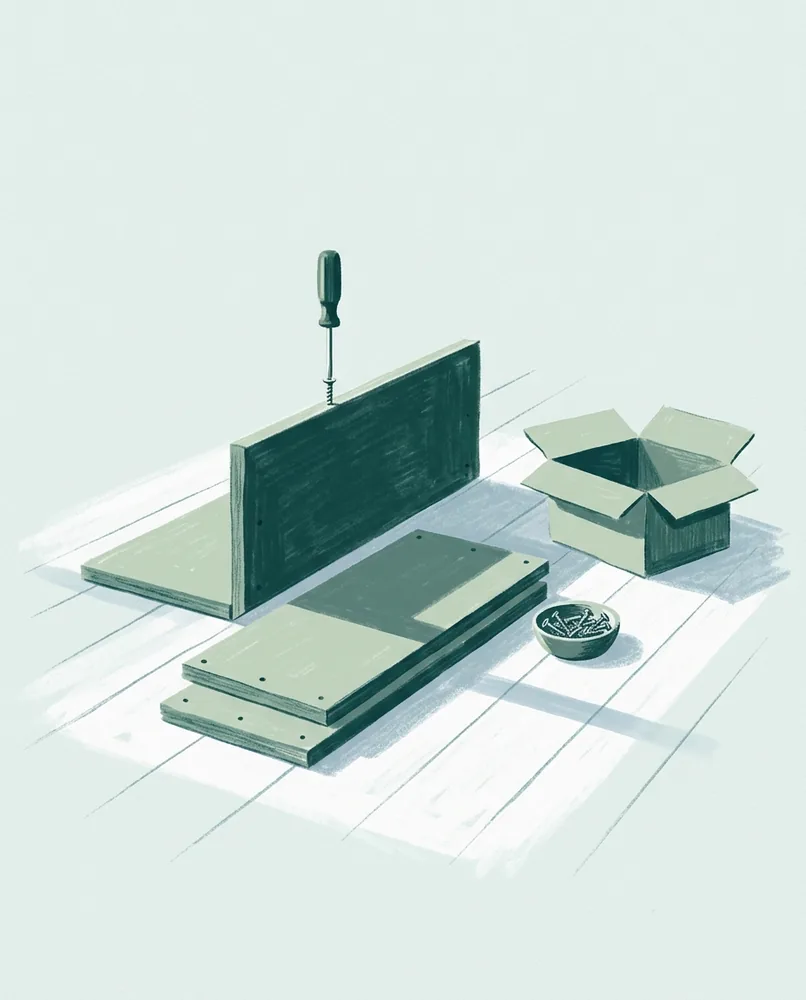
Someone who guards their free time closely may have a particular way of saying “I like you”: they hand some of that time over. The invitation might be a passenger seat on a parts run, a stool in the garage while they rebuild something, or an unplanned detour that becomes the best part of the day. For The Fixer, affection often becomes visible through shared experience, practical help, physical presence, and room to remain an individual. That can feel deeply caring to a partner who recognizes the signal. To someone waiting for more discussion, reassurance, or visible enthusiasm, it may need translating. The central relationship question is not whether The Fixer feels deeply enough. It is whether both people can recognize care in the form it is being offered—and ask clearly for the forms that are missing.
Dating
1/4Read
Where they tend to meet people

Apps and big mixers can feel like a lot of talking about themselves to strangers before there is any reason to feel connected. They may meet people more naturally from the side: at a climbing gym, through a friend’s backyard project, on a group trip, or while becoming a regular at the hardware store.
Shared activity gives them something real to notice. Instead of trying to perform an appealing version of themselves, they can see how someone handles inconvenience, improvises, treats other people, and responds when the plan changes.
What makes a first date work
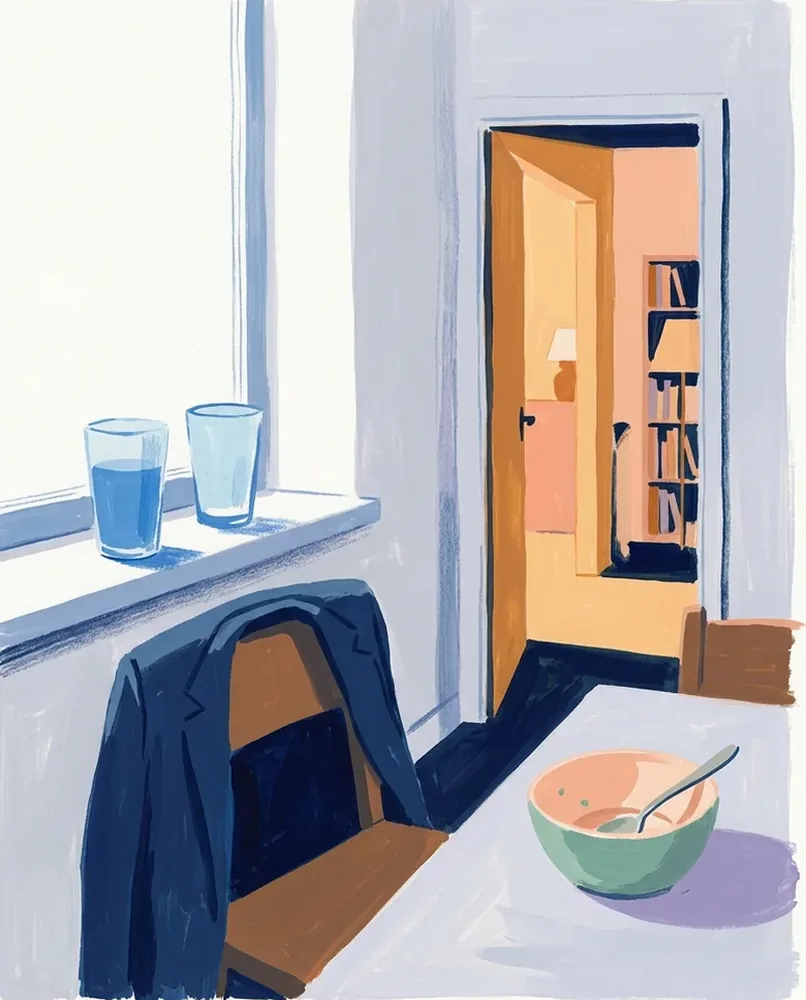
A first date that works for an ISTP often has something to do in it: a flea market, a car show, a rented rowboat, a neighborhood they have not explored. Side-by-side activity lowers the pressure to fill every silence, but it also gives them useful information.
They may learn more by watching someone haggle over a rusty lantern, laugh at a wrong turn, or deal with a minor disappointment than by hearing a polished account of their five-year plan. The cost is that a person who wants direct emotional conversation may mistake their relaxed, observant style for lack of interest.
Why spontaneity can misread
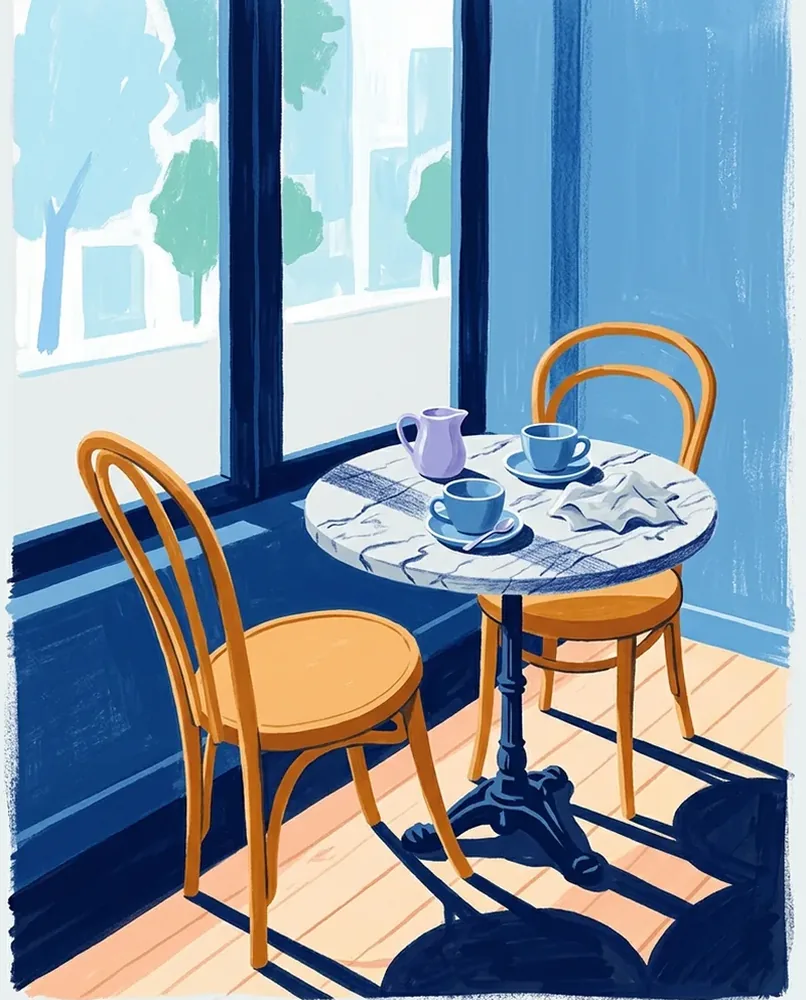
They may prefer invitations that follow genuine desire rather than a schedule built far in advance. A text at 6:10 on Thursday asking, “Want dumplings?” can feel thoughtful because it means they want this evening with that person, not merely an appointment with them.
Someone who needs more notice may experience the same spontaneity as being an afterthought. Neither interpretation is automatically correct. The useful move is to explain the meaning behind the invitation and make room for their planning needs without treating them as a rejection of their freedom.
How closeness becomes recognizable

Early dating may move at an ISTP’s pace. They can keep their own routines—a Saturday morning at the workbench, a solo run, an afternoon drive—and assume closeness will grow without requiring every part of life to merge. A new partner may instead wonder when they will be invited into the parts of an ISTP that seem most important.
They may feel that sharing a room, solving a practical problem, or quietly making time already communicates devotion; their partner may be waiting for words, plans, or a clearer sign that they have a place in their future. Neither interpretation is automatically right or wrong. Their relationship style reflects their individual levels of Extraversion, Openness, Agreeableness, and Conscientiousness more than a four-letter label alone.
The useful question is not whether an ISTP should become more available or their partner should need less, but which parts of their life they are willing to open and how they can make that willingness recognizable.
Part of the Personality Type reportThe rest of this chapter is in the Personality Type report
Shared time can be devotion for The Fixer, though practical help and guarded independence may leave a partner wanting clearer affection.
The Personality Type report gives you the whole guide to your own type, read alongside your own results, so you can see how your patterns affect work, relationships, and daily decisions.
Free interpretation of your answers when you sign in The full report is $30.
