
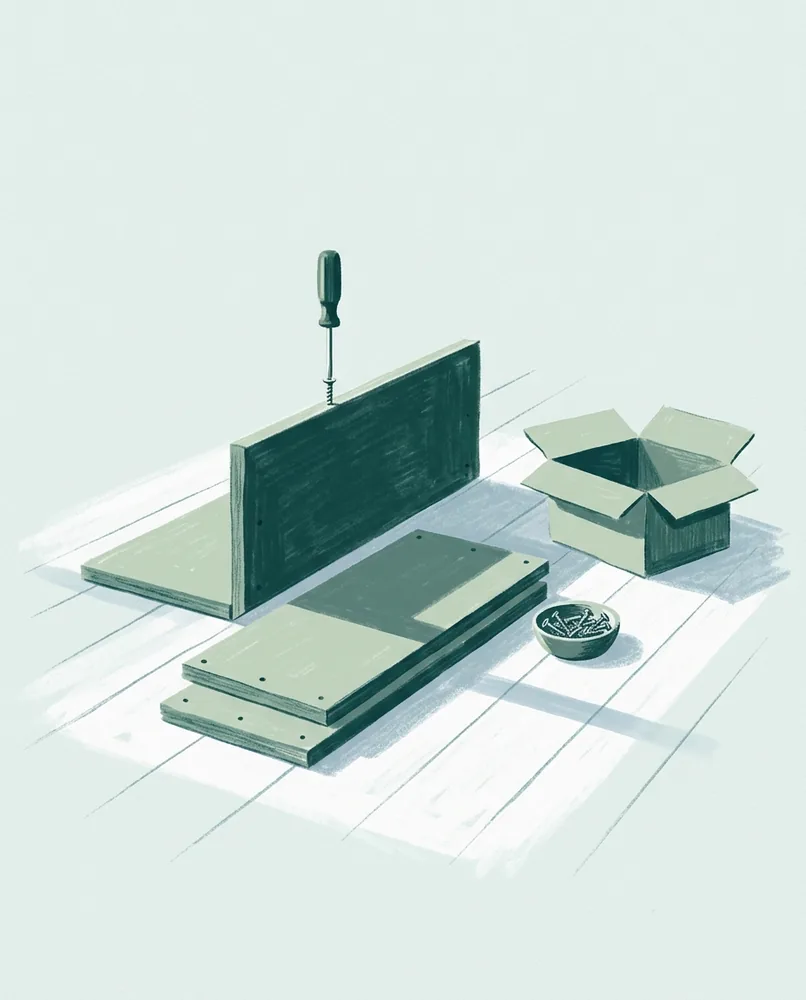
Two weekends can have the same number of hours and feel nothing alike. One holds a wedding, a brunch, and a cousin’s move, all planned by someone else. The other is a Saturday with the garage door up and nowhere to be. For ISTP people, the first can leave the tank low by Sunday night. The second may fill it back up—and the squeaky gate might get fixed too. This is not simply a preference for being alone. It is a preference for having their attention belong to them, with enough freedom to respond to what is actually in front of them.
What drains them
1/4Read
Too much company
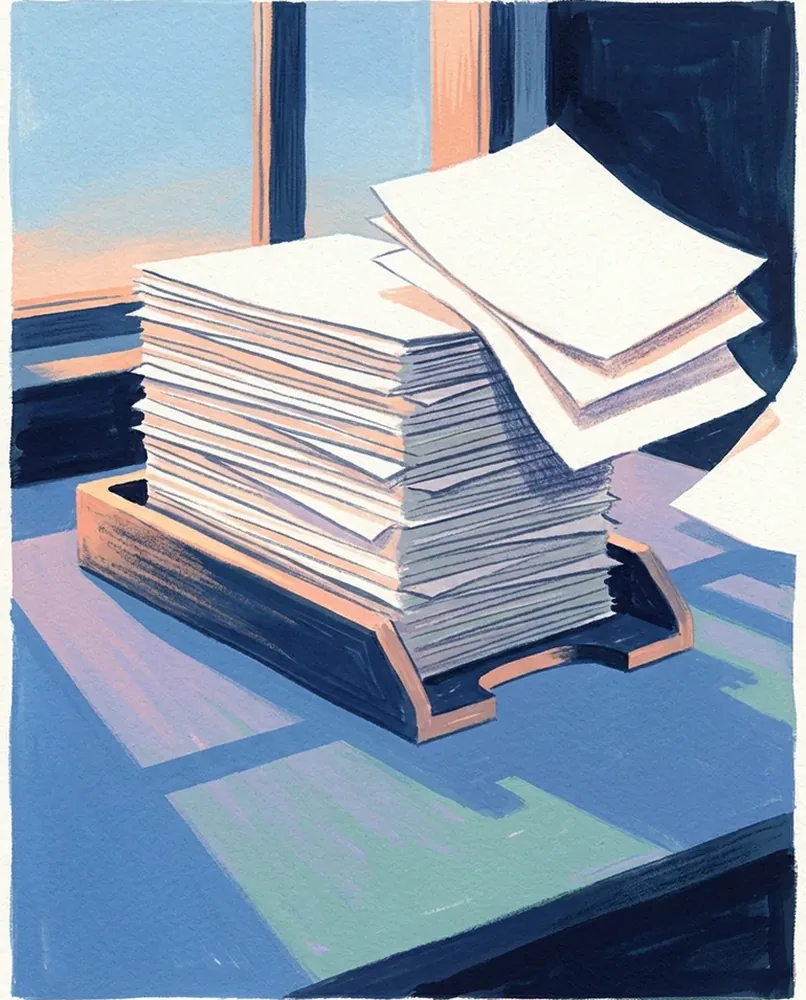
Too much company is the obvious drain. A work retreat with shared meals and a team-building exercise, or a holiday week at a relative’s house with no door to close, can keep them socially available long after they have stopped feeling present.
They may like the people and still need distance from them. The cost of their independence is that others may interpret their retreat as disinterest, when they are really trying to recover their attention.
When structure confines
Rigid schedules can drain them just as fast. A vacation planned hour by hour, a job that tracks time in tiny blocks, or a day where every small adjustment requires permission can make ordinary busyness feel like confinement.
They are not necessarily resisting effort; they are resisting the sense that judgment has been replaced by procedure. Structure helps when it clears the way for action. It wears them down when it makes them ask permission to adapt.
Change without progress
For their S, change for its own sake can be especially tiring. A reorganization every spring, a new app for tracking the same old work, or a brainstorm with nothing real to solve asks them to spend energy on movement without progress.
A flat tire is at least a problem they can put their hands on, with a jack and an ending. The third new process this year may have neither. They can look unenthusiastic about change when what they are actually rejecting is change that has not earned its cost.
The demands that combine
The hardest mix combines all of these demands: company, a fixed calendar, and novelty without a practical purpose. A conference with a printed agenda, group dinners every night, and a new badge app to learn asks for their social energy, their time, and their patience at once.
By Thursday, the hotel ice machine may be the best conversation they have had all week. What drains them is not difficulty by itself. It is having no private space, no room to improvise, and no satisfying problem to solve.
Part of the Personality Type reportThe rest of this chapter is in the Personality Type report
With The Fixer, stress often follows demands that claim their attention, while hands-on freedom and an unscheduled problem can restore their energy.
The Personality Type report gives you the whole guide to your own type, read alongside your own results, so you can see how your patterns affect work, relationships, and daily decisions.
Free interpretation of your answers when you sign in The full report is $30.
