
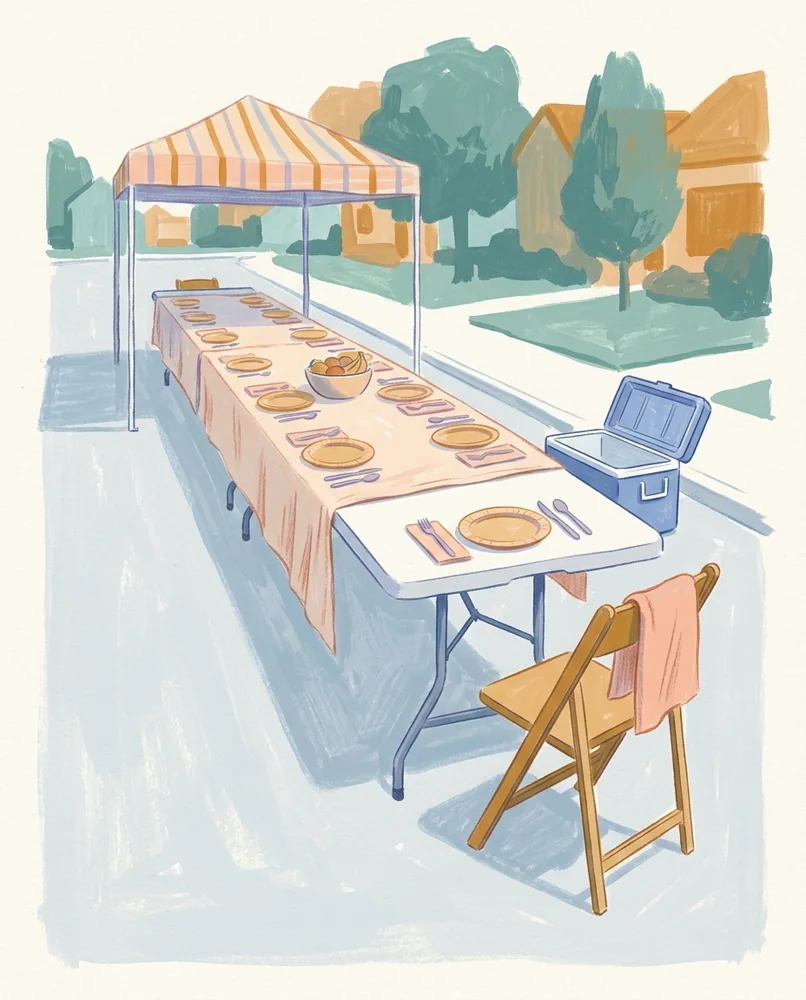
The lake cabin is booked for the third summer in a row. One friend found the dates that worked, collected the deposit, and asked each person privately whether they minded sharing a room. She also saved the quiet bedroom with the lake view for the friend whose divorce just went through. If that sounds like a weekend an ESFJ has organized, friendship for them may run on a particular mix: a crowd, a tradition, and an eye on who needs what.
They often make friendship feel visible and held. They remember birthdays, notice who has gone quiet, connect people who would enjoy one another, and turn good intentions into plans. The gift is not only that they care. It is that other people can usually tell.
The tension is that care can become a responsibility they quietly assign themselves. When they are always the one inviting, arranging, checking in, or smoothing things over, another person’s lower effort can start to feel like a verdict on the friendship. Sometimes it is a sign of distance. Sometimes it is simply a different way of maintaining connection. Learning to ask rather than infer protects both the friendship and their generosity.
Making friends
1/4Read
Where friendship begins

Friendships tend to find them wherever there is a regular crowd: the same spin class, the dog park at 7 a.m., the parents at school pickup, the nurses on the night shift. They may say hello first, learn names quickly, and turn a familiar face into an invitation before someone else has thought to do it.
How trust takes shape
This is one of their social strengths. They do not need a dramatic moment of instant intimacy to begin a friendship. Repeated contact, shared errands, inside jokes, and small acts of consideration can be enough to create trust. They make belonging easier to enter because someone has to open the door, and they are often willing to be that person.
Early conversations with a new friend may stay close to ordinary life: whose kids are in the same class, which taco truck is worth the line, how the new manager is working out. That does not mean they avoid depth. They often reach it through familiarity first. Once they know how someone moves through the everyday world, it becomes easier to understand what that person fears, values, and hopes will change.
A wide circle, selective trust

They may not need a friend to think exactly as they do. They are more likely to care whether the friend is dependable, responsive, and willing to participate in the relationship. A brilliant connection that never becomes mutual can feel less like friendship than potential.
Their social energy and their attention to other people can work together in a distinctive way. They may build a wide circle because they reach outward easily, while also becoming someone others choose because they are approachable, considerate, and alert to the small signals that make people feel included.
But a wide circle is not the same as a large inner circle. Many acquaintances may receive their greetings, invitations, and holiday messages. A smaller group gets the unedited story, the late-night call, or the request for help when something has gone wrong. Their friendliness may be broad even when their trust is selective.
Warmth without constant access
That difference can create an awkward mismatch. Someone may assume that warmth means they occupy an intimate place in their life, while they may see warmth as a way of treating people well without making a promise of deep access. Or they may feel responsible for maintaining a connection simply because they started it.
It can help them distinguish three things: being welcoming, being available, and being close. They can offer the first without offering the other two. Friendship becomes more sustainable when inclusion is an expression of generosity, not a contract that requires constant access, gratitude, or equal expressiveness.
Part of the Personality Type reportThe rest of this chapter is in the Personality Type report
The Host turns care into invitations, traditions, and thoughtful details, though taking charge of every connection can make uneven effort feel personal.
The Personality Type report gives you the whole guide to your own type, read alongside your own results, so you can see how your patterns affect work, relationships, and daily decisions.
Free interpretation of your answers when you sign in The full report is $30.
