
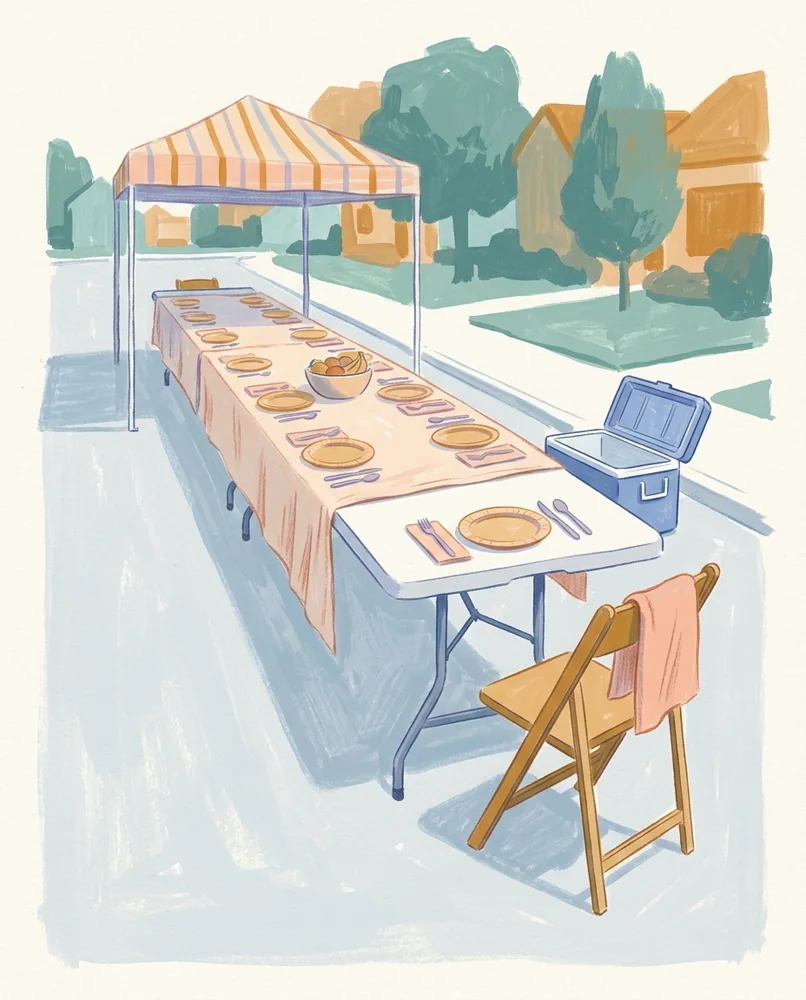
By Monday lunch, the new hire has been shown around the floor, introduced to the people they will need, and told which microwave actually works. The sign-up sheet for Friday’s potluck is on the fridge. The person behind all of it is probably back at their desk, halfway through the inbox, with the next deadline already in view. If that sounds familiar, their work is often a blend of friendliness, follow-through, and practical care. They do not just complete tasks; they notice what helps people do their jobs well and quietly start providing it. That contribution can be easy to miss because it looks natural when they do it. The risk is that everyone begins treating their care as part of the furniture: always present, rarely acknowledged, and expected again tomorrow.
As a colleague
1/4Read
Making cooperation easy

Their messages probably make cooperation feel easy. They greet people, answer when they can, close loops, and give enough warmth that a brief “sounds good” is unlikely to be mistaken for irritation. They may be especially alert to the small signs that someone is confused, excluded, or carrying more than they said.
This makes them approachable. It also means interruptions can find them easily, because people learn that they will respond.
Turning meetings into plans

In meetings, they are likely to notice both the decision and the people around it. They may ask whether the quieter person has been heard, bring a missing concern into the room, and leave wanting to know who is doing what by when. Turning conversation into a shared plan is one of their practical talents.
But keeping everyone comfortable can make them hesitate to name the uncomfortable fact that would improve the plan. Inclusion is not the same as avoiding friction; sometimes the most considerate contribution is a clear objection while there is still time to act on it.
Carrying work downstream

A deadline may feel personal to them because it represents someone else’s reliance: a customer waiting, a teammate blocked, a promise made. They often prefer finishing early when they can, not merely to look efficient but to remove uncertainty from the people downstream.
And because relationships are part of how they understand a workplace, they may know who is returning from leave, who is worried about a family issue, and who needs an introduction before they ask. The cost is that their social availability can become another job layered over the job they were hired to do.
Helping without becoming the system

Helping beyond their formal role can feel like the obvious thing to do, especially when the need is concrete: covering a shift, orienting a new hire, or making a confusing process usable. Higher Agreeableness, Conscientiousness, and Extraversion can all support this pattern in different ways: concern for people, reliability with commitments, and energy for contact.
But generosity needs a boundary to remain generous. If they repeatedly rescue a system without documenting the gap, the workplace may praise their helpfulness while leaving the underlying problem untouched.
Part of the Personality Type reportThe rest of this chapter is in the Personality Type report
The Host turns welcome, coordination, and support into a workplace contribution, though constant care can become expected and overlooked.
The Personality Type report gives you the whole guide to your own type, read alongside your own results, so you can see how your patterns affect work, relationships, and daily decisions.
Free interpretation of your answers when you sign in The full report is $30.
