

ESFJs often make love visible. It may look like remembering the appointment, bringing someone into their circle, checking how the difficult meeting went, or making sure a shared plan does not quietly fall apart. Care becomes real to them when it is expressed through attention, participation, and dependable follow-through. The person beside an ESFJ may feel welcomed not only into their life, but into the network of people and traditions that give their life meaning.
That warmth has a second side. Because they notice what people need and often provide it before they ask, they may expect others to recognize the effort without being told. When others do not, disappointment can arrive disguised as irritation, overplanning, or the feeling that they are the only one keeping the relationship alive. Their central relationship skill is not caring less. It is making their needs as visible as their care.
Dating
1/4Read
Where they meet people

They may meet people most naturally through people: a friend’s gathering, a colleague’s birthday, a volunteer project, or a familiar local place. Seeing someone in a group can tell them something a private date cannot.
They notice how someone treats the server, whether they include the person standing alone, and whether that person’s friendliness continues when there is nothing to gain. Romance is not separate from character for an ESFJ; the way someone participates in a community is part of the attraction.
What makes dates work
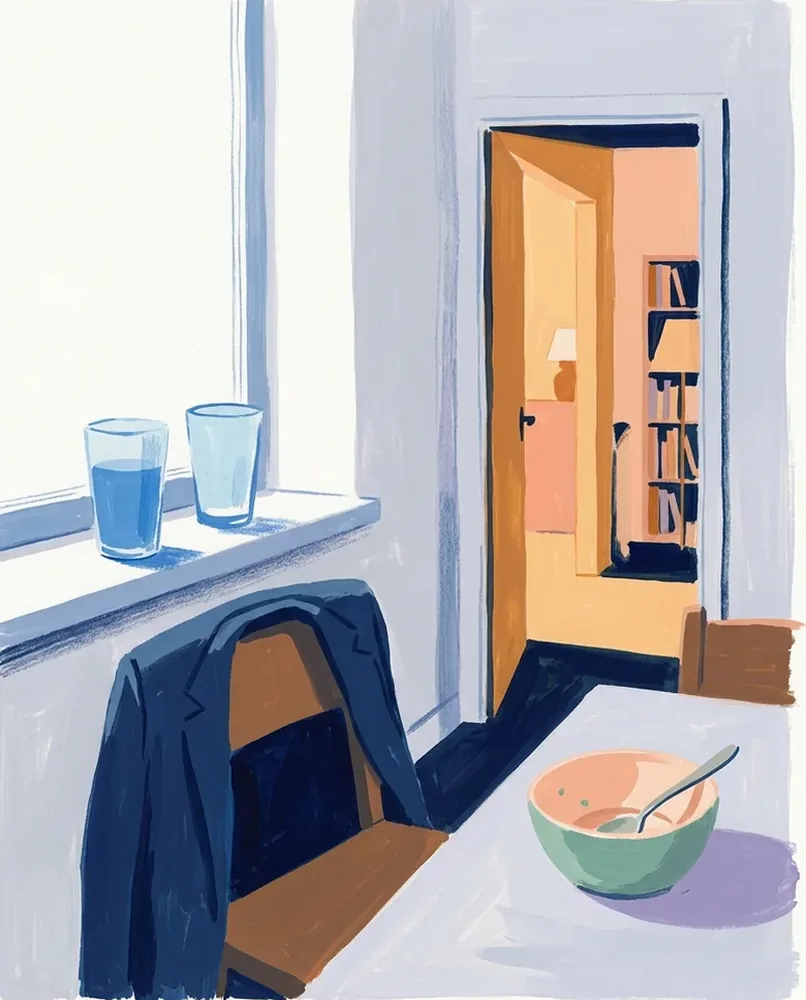
Early dates often feel best for them when there is something concrete to share: a favorite restaurant, mini golf, a fair, a neighborhood walk, or an event with a clear shape. Familiarity gives them room to focus on the person rather than managing unnecessary uncertainty.
Conversation may move toward family, work, friendships, routines, and what a satisfying weekend looks like. They are often trying to discover not just whether there is chemistry, but whether a life together could feel warm and workable.
How they build momentum

They may also prefer momentum over prolonged ambiguity. Meeting twice in a week can feel clearer to them than exchanging messages for a month, because regular contact lets them learn who someone is in ordinary moments.
Their openness and social energy can make connection feel easy and immediate. The cost is that their enthusiasm may communicate more certainty than they actually feel, especially to someone who needs time to understand their own feelings.
When warmth feels fast
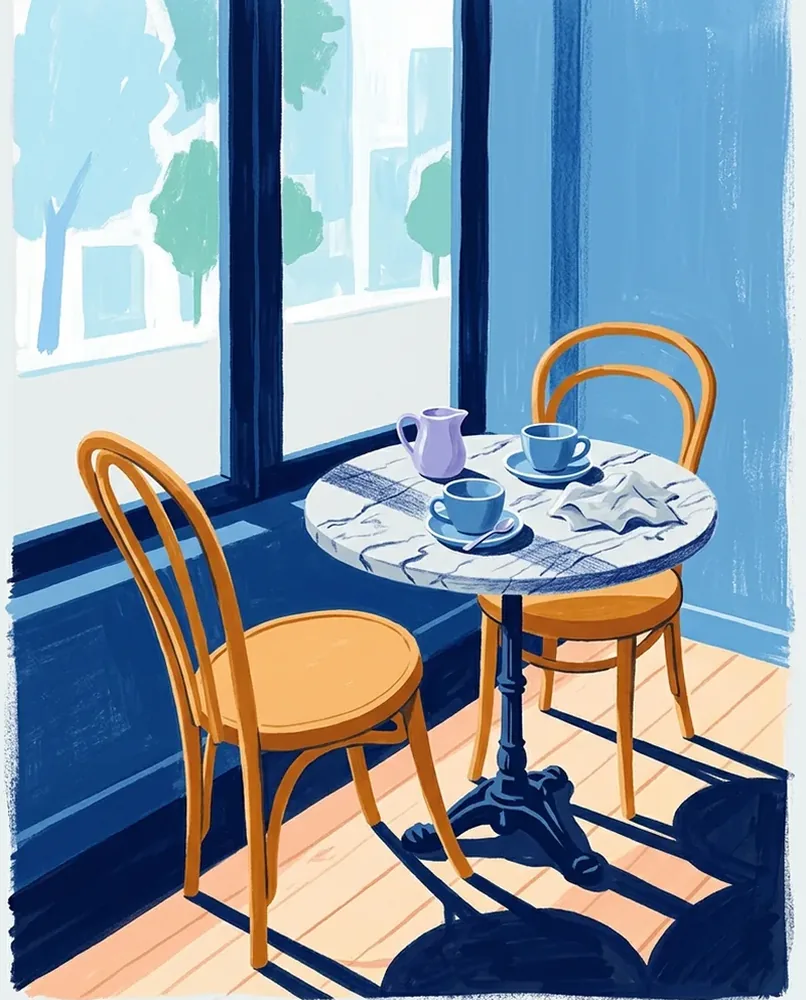
Once a date goes well, their imagination may move quickly toward inclusion: the next outing, an introduction to friends, a future event, a place in the rhythm of their life. To an ESFJ, this can mean, “I am happy to make room for you.”
Someone slower-paced may hear, “A decision has already been made.” Saying what the invitation means to them—and asking what pace feels comfortable to the other person—turns warmth into consent rather than pressure.
Part of the Personality Type reportThe rest of this chapter is in the Personality Type report
By including a partner and following through, The Host makes devotion visible, yet unspoken needs may emerge as frustration when care feels one-sided.
The Personality Type report gives you the whole guide to your own type, read alongside your own results, so you can see how your patterns affect work, relationships, and daily decisions.
Free interpretation of your answers when you sign in The full report is $30.
