
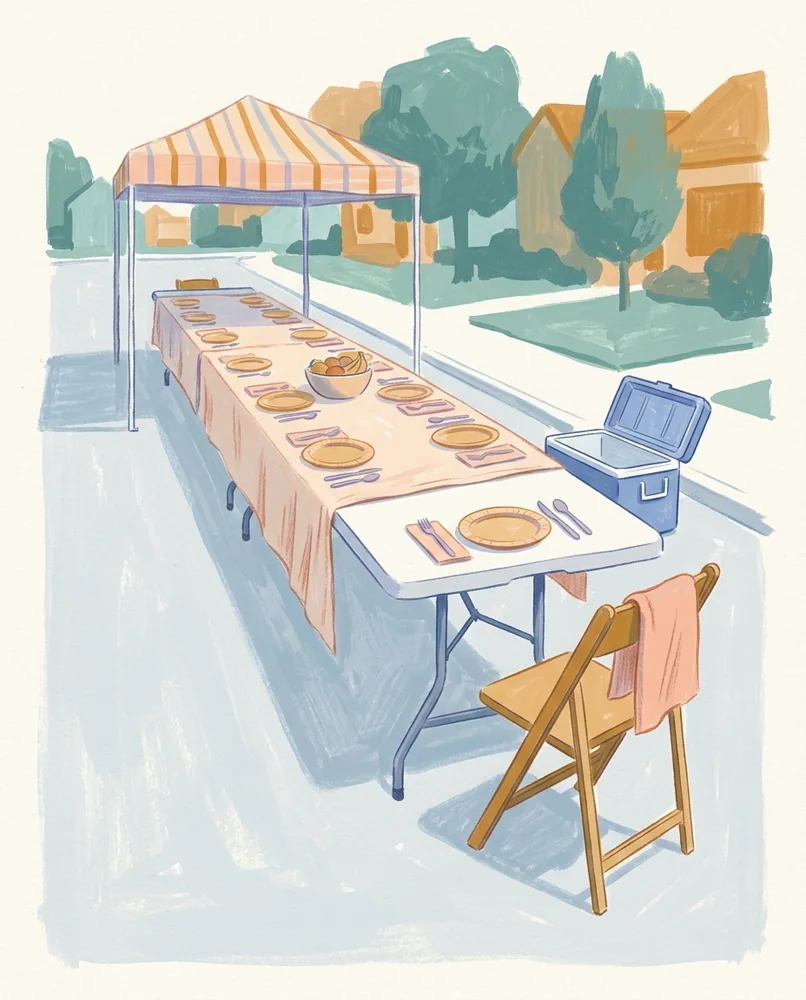
It’s the first warm Saturday of spring, and the backyard is full of kids from up and down the street. One parent has the sprinkler going, a tray of popsicles on the patio table, and a text out to the other parents saying who’s here and when dinner is. If you’re raising kids with The Host pattern, that backyard might look familiar. Family life may feel most alive to you when people are included, cared for, and connected by a dependable rhythm. You notice who is missing, who needs a ride, which tradition matters to whom, and what small detail will make a child feel remembered. The gift is a home where belonging is not merely discussed; it is practiced. The tension is that your care can become so organized and ever-present that other people experience it as supervision. You may intend to create security while a child experiences constant correction, checking, or pressure to participate. Nomigram describes tendencies, not a parenting destiny. Your actual style also depends on your values, experience, stress, and how close your scores are to the middle.
The home they build
1/3Read
A house with room
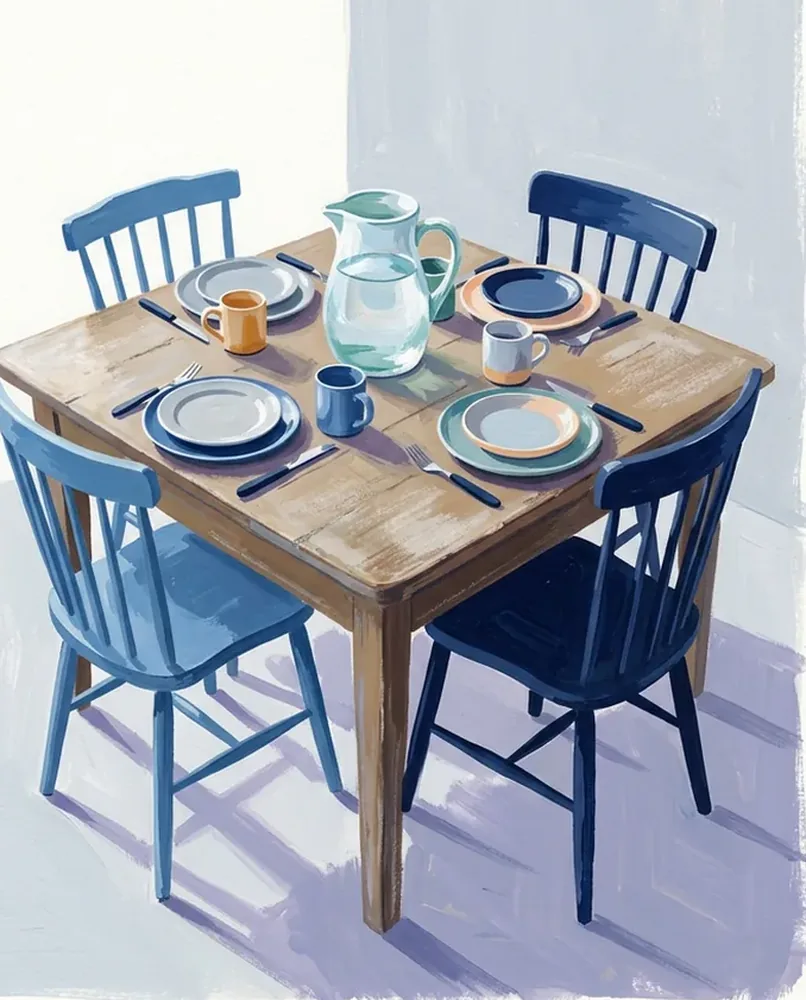
Their house may be the one where everyone ends up: sleepovers, a cousin staying for a week in July, the neighbor’s child who stays for dinner so often there is a chair with their name on it. They may enjoy the noise because a busy home gives their care somewhere to go.
Hosting is not just entertainment for an ESFJ. It is a way of making relationships visible and turning a collection of people into a community. They remember preferences, notice awkward silences, and quietly adjust the room so nobody is left at the edge.
When traditions reassure
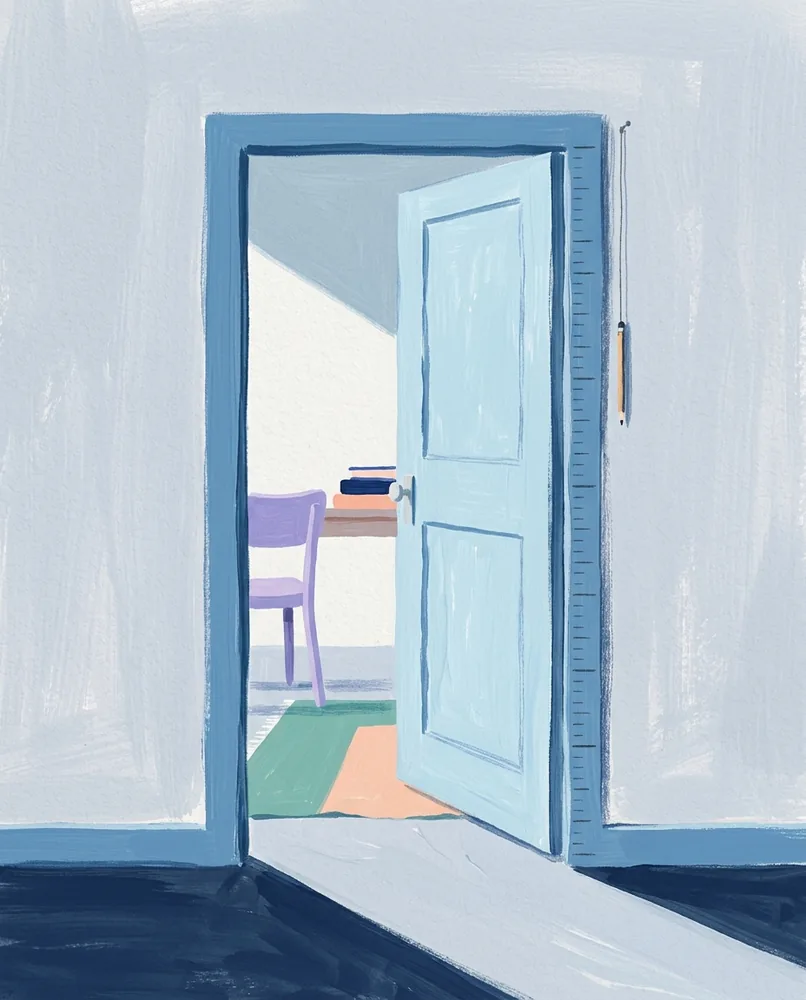
Routines give that warmth a structure. Dinner happens around the same time, chores appear on a chart, and Sunday may include a video call with Grandma. Holidays carry traditions their children can recite: the pancakes shaped like numbers, the same ornament placed on the tree first, the familiar meal that tells everyone where they are.
Repetition can be deeply reassuring because it tells children that life is held together by more than the mood of one day. But a tradition can quietly change from an invitation into a test. If a child does not want the ritual, misses the call, or invents a different way to celebrate, their choice is not necessarily a rejection of the family.
Warmth inside the rules
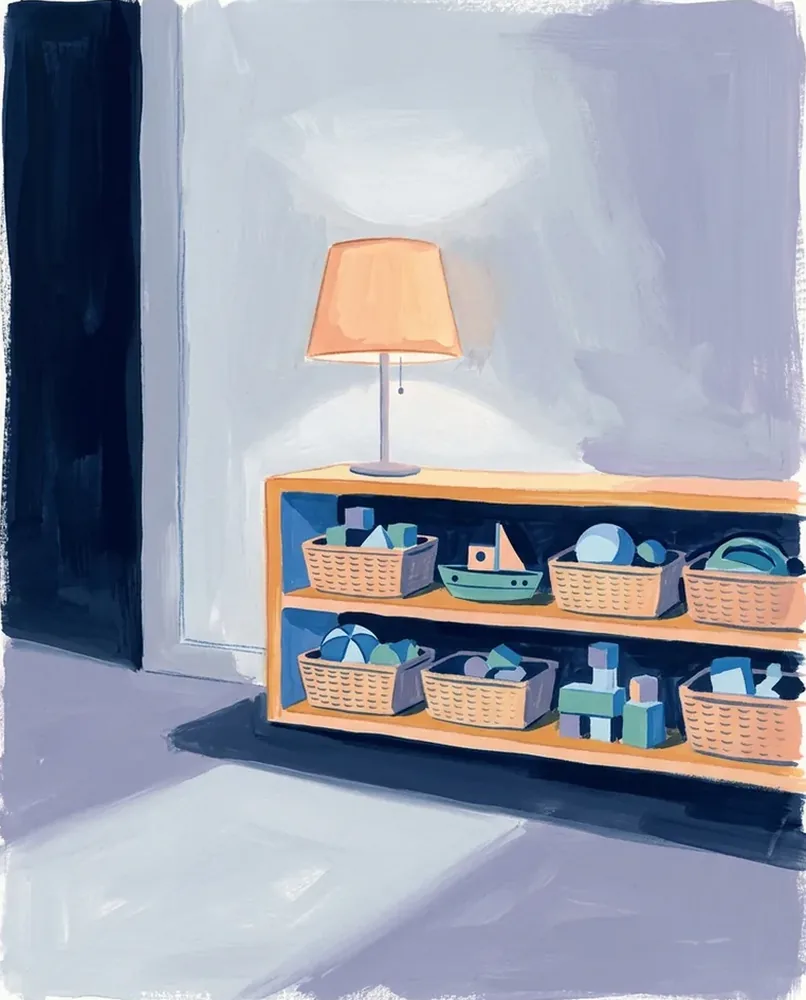
Rules matter too, and they tend to come wrapped in warmth. An ESFJ may explain why homework comes before screens, then sit at the kitchen table while it gets done. They are often trying to teach responsibility without making a child feel abandoned inside the expectation.
That combination can be powerful: structure answers “What happens next?” while warmth answers “Am I still safe and loved when I struggle?” The cost of the same strength is that an ESFJ may start carrying every detail themselves, correcting a child before a consequence can teach them, or treating family participation as proof of gratitude.
A useful question is whether a rule protects a shared value or simply preserves the way the ESFJ prefers the household to run.
Part of the Personality Type reportThe rest of this chapter is in the Personality Type report
The Host builds belonging through attentive routines, yet the same care can feel like constant monitoring when a child needs privacy.
The Personality Type report gives you the whole guide to your own type, read alongside your own results, so you can see how your patterns affect work, relationships, and daily decisions.
Free interpretation of your answers when you sign in The full report is $30.
